Collagen: facts over fiction
Cut through the marketing hype and discover the truth about collagen and your skin. I'm here to provide honest insights into this crucial protein.
More on my Instagram.com/Michelle Serbst
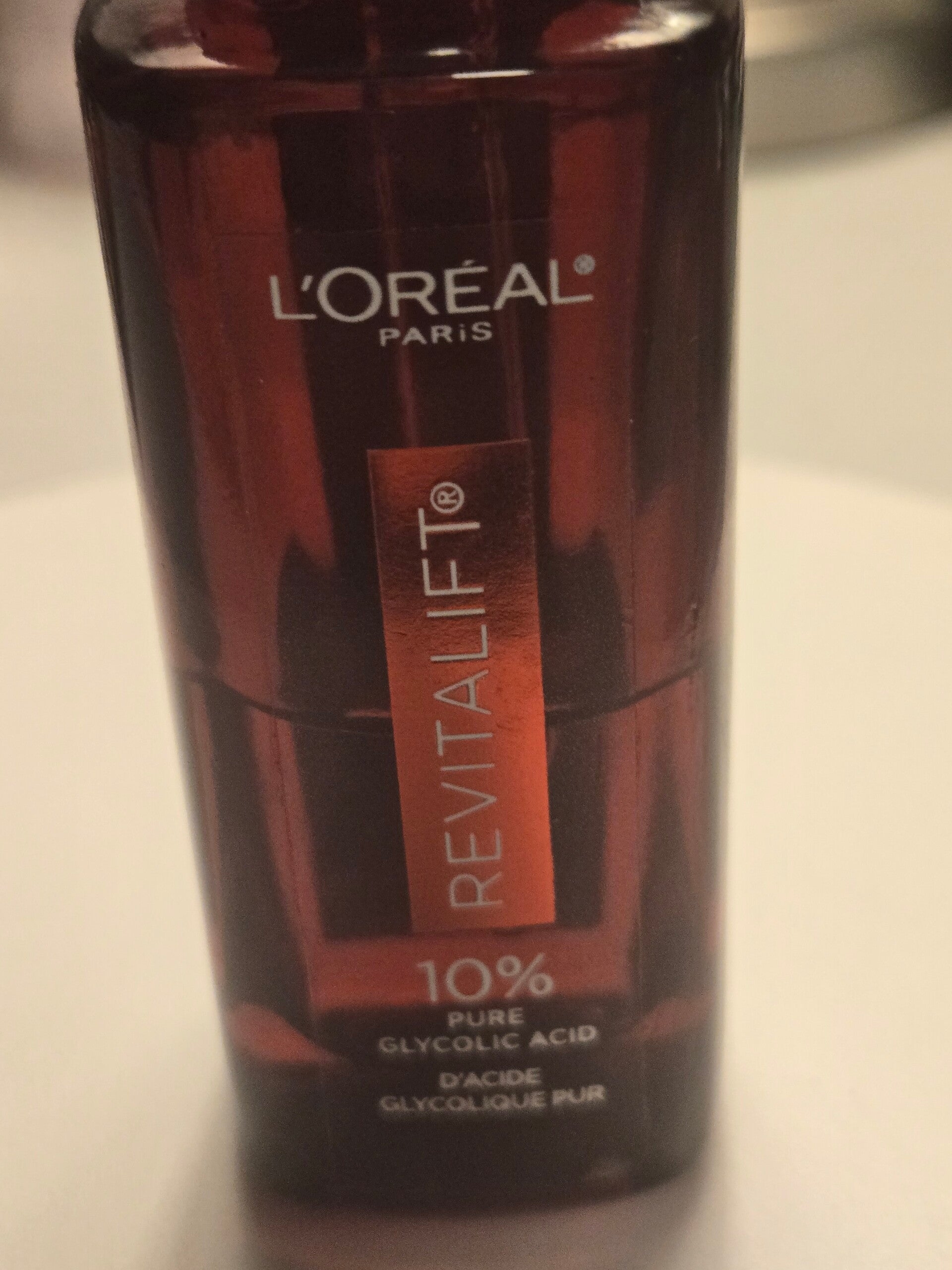
Understanding collagen: what it is and its role
Collagen is the most abundant protein in your body, providing structure to your skin, bones, muscles, and connective tissues. In skincare, it’s often touted as the fountain of youth, but its real role is more nuanced. As we age, our natural collagen production declines, leading to visible signs of aging like fine lines, wrinkles, and sagging skin. While its importance is undeniable, the ability of topical products to rebuild lost collagen is widely misunderstood. I'll clarify the science behind collagen and how your skin truly benefits from various skincare approaches.
Instagram.com/Michelle Serbst

Debunking collagen myths: what really works?
There's a common misconception that collagen applied topically can rebuild lost collagen in your skin. Nothing in a bottle rebuilds lost collagen. Period. That’s marketing. Collagen molecules are too large to penetrate the skin barrier effectively and integrate into your skin’s structure. Once collagen is gone, it’s gone. Skincare products advertised as "collagen-infused" primarily offer hydration and temporary plumping effects, which can make fine lines less noticeable, but they do not replace or repair your natural collagen. My goal is to help you distinguish between clever marketing and actual science-backed solutions for collagen health.
Instagram.com/Michelle Serbst

Protecting your collagen: effective strategies
While you can't rebuild lost collagen with a cream, you can significantly slow its breakdown and support your skin's overall health. Good skincare doesn’t rebuild lost collagen—it protects what you have. What actually helps slow collagen loss: sunscreen (non-negotiable, as UV destroys collagen), hyaluronic acid (for hydration, not collagen growth), retinoids (encourage skin turnover and support collagen signaling), vitamin C (supports collagen production, doesn’t replace it), and a good moisturizer (keeps the barrier healthy). Additionally, staying out of the sun and avoiding chronic inflammation are crucial habits. These strategies focus on maintaining your skin’s integrity and supporting its natural functions to preserve collagen effectively.
Instagram.com/Michelle Serbst